
Home / Search / Emotional Intelligence vs Artificial Intelligence: The Heart Advantage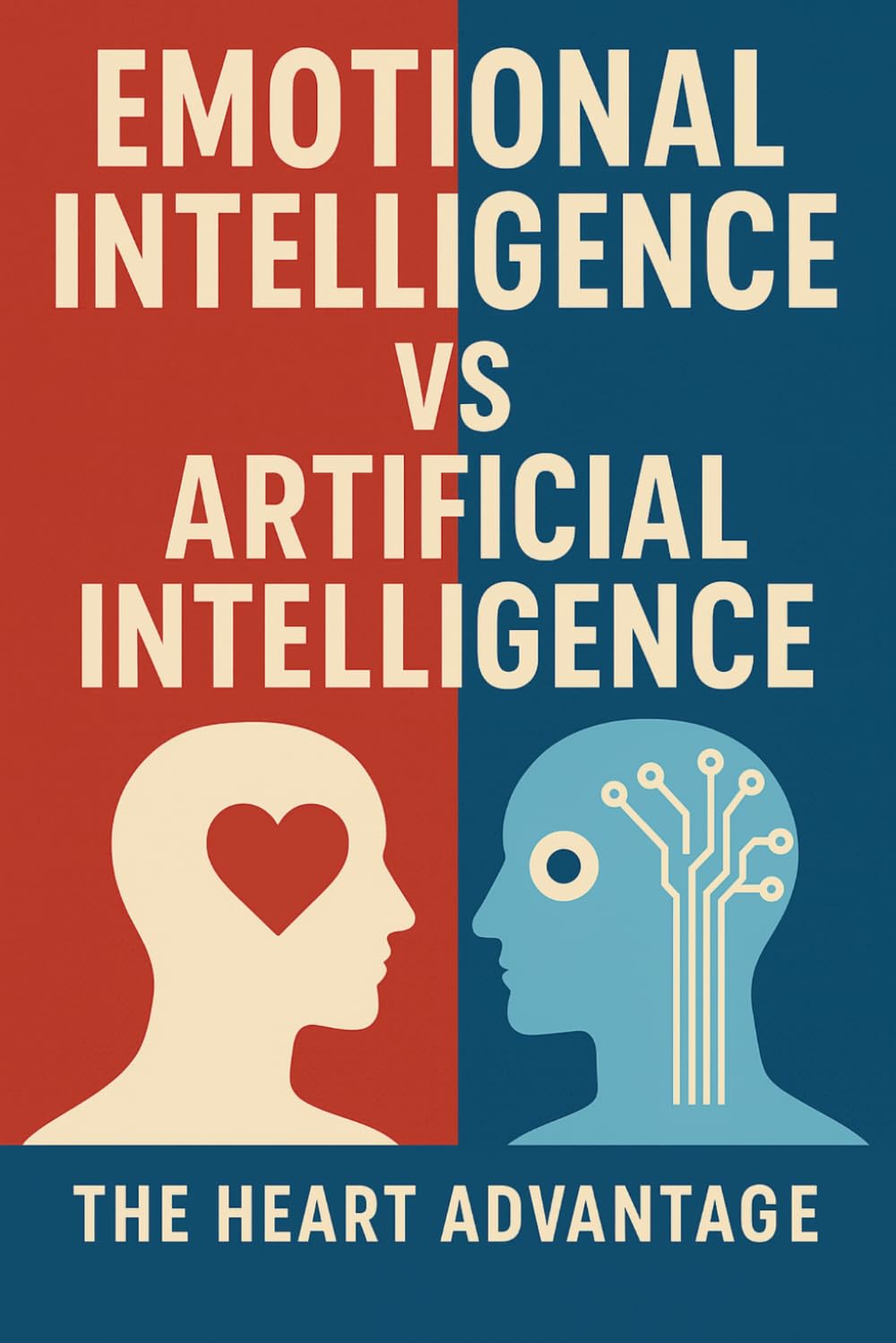
- ISBN-13 · 9789199047201
- ISBN-10 · 9199047209
- Publisher · Dr. Leticia Lilleström
- Format · paperback, 92 pages
- Published · 2025
- Language · English
Emotional Intelligence vs Artificial Intelligence: The Heart Advantage
Buy from a seller
No copies for sale right now.
Check back soon — sellers list new copies every day.
About this book
Artificial intelligence can write, analyse, advise, persuade and increasingly act.
But when the decision affects someone’s livelihood, dignity, trust or future, who remains accountable?
Emotional Intelligence vs Artificial Intelligence: The Heart Advantage is a practical leadership book for CEOs, CFOs, COOs, CHROs, board members and senior leaders navigating the growing intersection of AI, human judgement and organisational responsibility.
Dr. Leticia Lilleström argues that the real divide is no longer between machines that calculate and humans who feel. AI can already produce language that sounds empathetic, identify patterns people miss and support increasingly complex decisions. The more important question is whether leaders can use that capability without outsourcing judgement, context or accountability.
At the centre of the book is the Heart Advantage Model — five disciplines for leading responsibly in an AI-enabled organisation:
Clarity — understand what the system sees, infers and misses.
Capacity — use AI to create space for higher-value human work.
Context — bring history, culture, power and human consequence into the decision.
Compassion — protect dignity without avoiding difficult truths.
Accountability — ensure a human leader remains answerable for the outcome.
Through documented cases, executive frameworks, board questions, financial examples and practical tools, the book examines:
• AI-generated communication and simulated empathy
• psychological safety, engagement and organisational trust
• agentic AI and human oversight
• AI-driven restructuring and the real economics of workforce change
• emotional intelligence as an executive capability
• the development of future leaders in an AI-first workplace
• EU AI Act considerations and responsible AI governance
• the financial cost of ignoring the human system
• how boards can govern AI without reducing leadership to compliance
The message is not anti-AI.
It is a call for more mature leadership.
When technology makes output faster, judgement becomes more valuable. When simulated empathy becomes easier, authentic responsibility matters more. And when machines become more capable, leaders must become more deliberate about where human accountability begins.
The future is not AI versus emotional intelligence. The advantage belongs to leaders who know how to combine both — without disappearing behind the technology.