
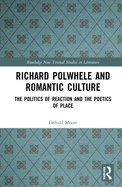
Richard Polwhele and Romantic Culture: The Politics of Reaction and the Poetics of Place
Rent this book
Free return shipping includedPlease Note: Rental books are typically used and do not come with any unused access code cards.
Buy from a seller
About this book
Richard Polwhele was a writer of rare energies. Today known only for The Unsex'd Females and its attack on radical women writers, Polwhele was a historian, translator, memoirist, and poet. As an indigent Cornish gentleman clergyman and JP, his extensive written output encompassed sermons, open letters, and even headstone verse. This book recovers the lost Polwhele, locating him within an archipelagic understanding of the vitality and complexity inherent in the loyalist tradition with British Romantic culture via a range of previously unexamined texts and manuscript sources.
Torn between a desire for sociability and an appetite (and capacity) for a good argument, Polwhele's outspoken contributions across a range of disciplines testify to the variety and dynamism of what has previously been considered provincial and reactionary. This book locates Polwhele's work within key preoccupations of the age: the social, economic, and political valences of literary sociability in the age of print; the meaning of loyalism in an age of revolution; the meaning of place and belonging; enthusiasm, religious or otherwise; and the self-fashioning of the provincial man of letters. In doing so it argues for a broader definition of Romanticism than the one that has typed Polwhele as an unpalatable embarrassment and the anachronistic voice of provincial High Tory reaction.
This volume will be of interest to those working in the field of late eighteenth and early nineteenth-century British Literature, with a particular focus on politics and on the nature of literary production and identity across the non-metropolitan areas of the British Isles.