
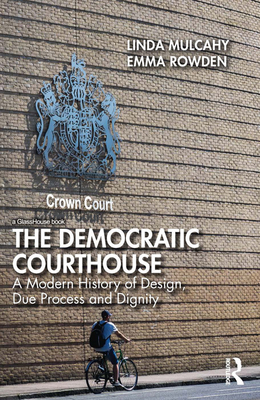
The Democratic Courthouse: A Modern History of Design, Due Process and Dignity
Rent this book
Free return shipping includedPlease Note: Rental books are typically used and do not come with any unused access code cards.
Buy from a seller
About this book
The Democratic Courthouse examines how changing understandings of the relationship between government and the governed came to be reflected in the buildings designed to house the modern legal system from the 1970s to the present day in England and Wales.
The book explores the extent to which egalitarian ideals and the pursuit of new social and economic rights altered existing hierarchies and expectations about how people should interact with each other in the courthouse. Drawing on extensive public archives and private archives kept by the Ministry of Justice, but also using case studies from other jurisdictions, the book details how civil servants, judges, lawyers, architects, engineers and security experts have talked about courthouses and the people that populate them. In doing so, it uncovers a changing history of ideas about how the competing goals of transparency, majesty, participation, security, fairness and authority have been achieved, and the extent to which aspirations towards equality and participation have been realised in physical form. As this book demonstrates, the power of architecture to frame attitudes and expectations of the justice system is much more than an aesthetic or theoretical nicety. Legal subjects live in a world in which the configuration of space, the cues provided about behaviour by the built form and the way in which justice is symbolised play a crucial, but largely unacknowledged, role in creating meaning and constituting legal identities and rights to participate in the civic sphere.
Key to understanding the modern-day courthouse, this book will be of interest to scholars and students in all fields of law, architecture, sociology, political science, psychology and criminology.