
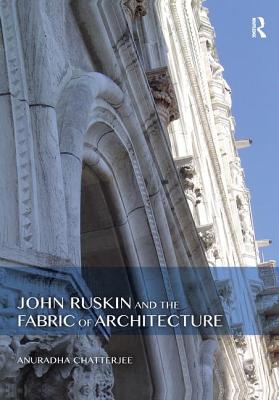
John Ruskin and the Fabric of Architecture
Rent this book
Free return shipping includedPlease Note: Rental books are typically used and do not come with any unused access code cards.
Buy from a seller
About this book
Through the theoretical lenses of dress studies, gender, science, and visual studies, this volume analyses the impact John Ruskin has had on architecture throughout the nineteenth and twentieth centuries. It explores Ruskin's different ideologies, such as the adorned wall veil, which were instrumental in bringing focus to structures that were previously unconsidered.
John Ruskin and the Fabric of Architecture
examines the ways in which Ruskin perceives the evolution of architecture through the idea that architecture is surface. The creative act in architecture, analogous to the divine act of creation, was viewed as a form of dressing. By adding highly aesthetic features to designs, taking inspiration from the 'veil' of women's clothing, Ruskin believed that buildings could be transformed into meaningful architecture. This volume discusses the importance of Ruskin's surface theory and the myth of feminine architecture, and additionally presents a competing theory of textile analogy in architecture based on morality and gender to counter Gottfried Semper's historicist perspective.This book would be beneficial to students and academics of architectural history and theory, gender studies and visual studies who wish to delve into Ruskin's theories and to further understand his capacity for thinking beyond the historical methods. The book will also be of interest to architectural practitioners, particularly Ruskin's theory of surface architecture.