
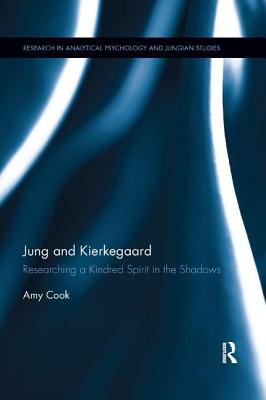
Jung and Kierkegaard: Researching a Kindred Spirit in the Shadows
Rent this book
Free return shipping includedPlease Note: Rental books are typically used and do not come with any unused access code cards.
Buy from a seller
About this book
Jung and Kierkegaard identifies authenticity, suffering and self-deception as the three key themes that connect the work of Carl Jung and S ren Kierkegaard. There is, in the thinking of these pioneering psychologists of the human condition, a fundamental belief in the healing potential of a religious outlook. This engaging and erudite text explores the significance of the similarities of thinking between Kierkegaard and Jung, bridging the gap between the former's particular brand of existential Christian psychology and the latter's own unique philosophy.
Given the similarity of their work and experiences that were common to both of their personal biographies, particularly the relationship that each had with his father, one might expect Jung to have found in Kierkegaard a kindred spirit. Yet this was not the case, and Jung viewed Kierkegaard with great scorn. That there exists such a strong comparison and extensive overlap in the life and thought of these towering figures of psychology and philosophy leads us to question why it is that Jung so strongly rejected Kierkegaard. Such hostility is particularly fascinating given the striking similarity that Jung's own analytical psychology bears to the Christian psychology upheld by Kierkegaard.
Cook's thought-provoking book fills a very real gap in Jungian scholarship and is the first attempt to undertake a direct comparison between Jung and Kierkegaard's models of development. It is therefore essential reading for academics and postgraduate students with an interest in Jungian and Kierkegaard scholarship, as well as psychology, philosophy and religion more generally.