
Science, Technology, and Utopias: Women Artists and Cold War America
Rent this book
Free return shipping includedPlease Note: Rental books are typically used and do not come with any unused access code cards.
Buy from a seller
About this book
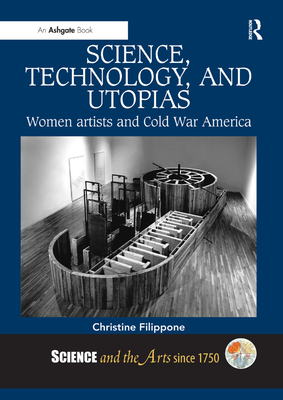
The rise of proxy wars, the Space Race, and cybernetics during the Cold War marked science and technology as vital sites of social and political power. Women artists, historically excluded from these domains, responded critically, while simultaneously redeploying the products of "Technological Society" into works that promoted ideals of progress and alternative concepts of human community. In this innovative book, author Christine Filippone offers the first focused examination of the conceptual use of science and technology by women artists during and just after the women's movement. She argues that artists Alice Aycock, Agnes Denes, Martha Rosler and Carolee Schneemann used science and technology to mount a critique on Cold War American society as they saw it--conservative and constricting. Motivated by the contemporary American Women's Movement, these artists transformed science and technology into new modes of artmaking that transgressed modernist, heroic, painterly styles and subverted the traditional economic structures of the gallery, the museum and the dealer. At the same time, the artists also embraced these domains of knowledge and practice as expressions of hope for a better future. Many found inspiration in the scientific theory of open systems, which investigated "problems of wholeness, dynamic interaction and organization", enabling consideration of the porous boundaries between human bodies and their social, political and nonhuman environments. Filippone also establishes that the theory of open systems not only informed feminist art, but also continued to influence women artists' practice of reclamation and ecological art through the twenty-first century.