
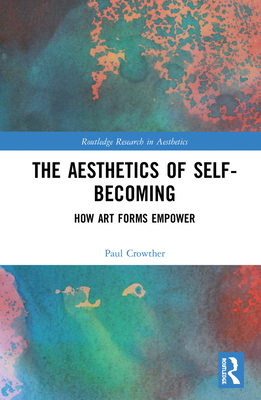
The Aesthetics of Self-Becoming: How Art Forms Empower
Rent this book
Free return shipping includedPlease Note: Rental books are typically used and do not come with any unused access code cards.
Buy from a seller
About this book
This book shows that art involves an aesthetics of self-becoming, wherein we do not simply consume artistic meaning, but become empowered-by adapting ourselves to what creation in the different art forms makes possible. Paul Crowther argues that the great political task in aesthetics is no longer the creation of political art as such, but rather the winning back of art and aesthetics as central societal concerns. This involves the overcoming of neo-liberal treatments of art as mere commodity and misguided attitudes that dismiss it as the product of dead white European males. The book begins with a theory of self-consciousness which reveals the necessary role played by the aesthetic in personal identity. It then emphasises how art forms empower through processes of making and aesthetic effects that are unique to them individually. To show this, he considers the ontology of pictorial art, sculpture, installation and assemblage works, architecture, literature, cinema, and music. His arguments concerning these are supported, throughout, by in-depth discussions of specific artworks. The book's effect, overall is to reorientate aesthetics by showing how art empowers through its revelation of new possibilities of experience.
The Aesthetics of Self-Becoming
will appeal to philosophers of art and aesthetics, as well as scholars in art history, literary studies, film studies, and music theory who are interested in the book's central concerns.