
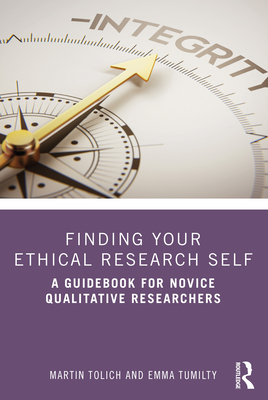
Finding Your Ethical Research Self: A Guidebook for Novice Qualitative Researchers
Rent this book
Free return shipping includedPlease Note: Rental books are typically used and do not come with any unused access code cards.
Buy from a seller
About this book
The 12 chapters build on each other, but not in a linear way. Core ethical concepts like consent and confidentiality once established in the early chapters are later challenged. The new focus becomes how to address qualitative research ethics when confidentiality and consent take on a limited form. This approach helps students understand that the application of concepts always requires thoughtful adaptation in different contexts and the book provides guidance on how to do this. Classroom/workbook exercises develop alternative solutions to create process consent, internal confidentiality, and engage reference groups, as examples. The first eight chapters allow students to develop their ethical research self before thinking through how they might address formal ethics review. Formal ethics review is deliberately not introduced until Chapter 9. Chapter 10 offers practical help to elements of review, before Chapter 11 emphasises the key message by providing examples of researchers' dilemmas in the field using vignettes and discussion. By providing these examples, students become aware that these can arise, explore how they might arise, and recognise how they might deal with them in the moment when they are unavoidable.
With numerous examples of ethical dilemmas and issues and questions and exercises to encourage self-reflection, this reflexive, learn-by-doing model of research ethics will be highly useful to the novice researcher, undergraduate, and postgraduate research student.