
Home / Search / Captivity Literature and the Environment: Nineteenth-Century American Cross-Cultural Collaborations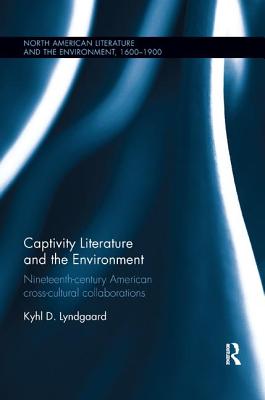
ISBN-13 · 9780367140434ISBN-10 · 0367140438Publisher · RoutledgeFormat · Trade Paperback, 158 pagesPublished · 2019Language · English
Captivity Literature and the Environment: Nineteenth-Century American Cross-Cultural Collaborations
Rent this book
Free return shipping includedTotal rental price$39.29
Please Note: Rental books are typically used and do not come with any unused access code cards.
Return by 2026-10-26. Prepaid return label included; extend at any point for the difference in price.
Buy from a seller
Bookface-OutletShips from CA
GoodTypical used book with minor wear and signs of use. May have some highlighting or writing.
98.51
About this book
In his study of captivity narratives, Kyhl Lyndgaard argues that these accounts have influenced land-use policy and environmental attitudes at the same time that they reveal the complex relationship between ethnicity, landscape, and authorship. In connecting these themes, Lyndgaard offers readers an alternative environmental literature, one that is dependent on an understanding of nature as home rather than as a place of temporary retreat. He examines three captivity narratives written in the 1820s and 1830s - A Narrative of the Life of Mrs. Mary Jemison, The Captivity and Adventures of John Tanner, and Life of Black Hawk -all of which engage with the Jacksonian policy of Indian removal and resist tropes of the so-called Vanishing Indian. As Lyndgaard shows, the authors and the editors with whom they collaborated often saw their stories as a plea for environmental and social justice. At the same time, audiences have embraced them for their vision of a more inclusive and less exploitative American society than was proffered by the rhetoric of Manifest Destiny. Their legacy is that while environmental and social justice has been slow in fulfilment, their continued popularity testifies to the fact that the struggle for justice has never been ceded.