
Home / Search / Everyday Ethics for Practicing Planners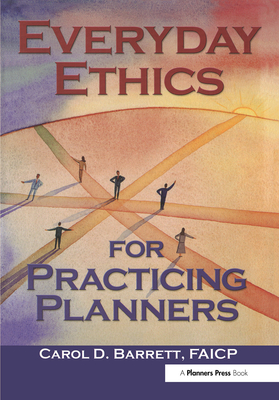
ISBN-13 · 9780367092726ISBN-10 · 0367092727Publisher · RoutledgeFormat · Hardcover, 246 pagesPublished · 2019Language · English
Everyday Ethics for Practicing Planners
Rent this book
Free return shipping includedTotal rental price$124.42
Please Note: Rental books are typically used and do not come with any unused access code cards.
Return by 2026-10-25. Prepaid return label included; extend at any point for the difference in price.
Buy from a seller
Bookface-OutletShips from CA
GoodTypical used book with minor wear and signs of use. May have some highlighting or writing.
273.18
About this book
"This book is on the suggested reading list for planners preparing to take the AICP exam. As veteran planner the author points out, the most troublesome conflicts for planners aren't between good and bad, they're between competing good, neither of which can be fully achieved. The 54 real-world scenarios described here typify the tough moral dilemmas that confront today's practioners. The author offers planners a way to recognize the ethical conflicts that arise in everyday practice, analyze them using ""practical moral reasoning,"" apply relevant sections of the AICP Code of Ethics and the APA/AICP Ethical Principles in Planning (both of which are included in full), and decide on the best course of action. The author tells a series of stories-each one a sticky situation that could confront a typical planner. Barrett points out the ethical issues, identifies possible alternatives, and cities relevant sections of the AICP Code. Finally, the author discusses the pros and cons of each alternative. Five particularly complex scenarios are especially intended for group discussion. Individuals studying for the AICP exam will find this book indispensable. But it also should be required reading for every planner who struggles to act ethically and for planning student who wants to understand how professionals define and serve the public interest. Planning agencies, private consulting firms, and planning commissions can use its realistic scenarios to jump start group discussions and workshops on ethical planning."