
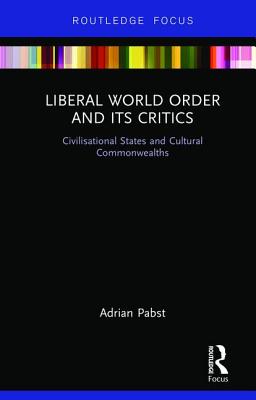
Liberal World Order and Its Critics: Civilisational States and Cultural Commonwealths
Rent this book
Free return shipping includedPlease Note: Rental books are typically used and do not come with any unused access code cards.
Buy from a seller
About this book
Liberals blame the retreat of the liberal world order on populists at home and authoritarian leaders abroad. Only liberalism, so they claim, can defend the rules-based international system against demagogy, corruption and nationalism. This provocative book contends that the liberal world order is illiberal and undemocratic - intolerant about the cultural values of ordinary people in the West and elsewhere while concentrating power in the hands of unaccountable Western elites and Western-dominated institutions.
Under the influence of contemporary liberalism, the international system is fuelling economic injustice, social fragmentation and a worldwide "culture war" between globalists and nativists. Liberals, far from defending rules, have broken international law and imposed their version of market fundamentalism and democracy promotion by military means. Liberal "civilisation" has fuelled resentment across the world by imposing a narrow worldview that pits cultures against one another. To avoid a descent into a violent culture clash, this book proposes radical ideas for international order that take the form of cultural commonwealths - social bonds and crossborder cultural ties on which international trust and cooperation depends.
The book's defence of an older order against both liberals and nationalists will speak to all readers trying to understand our age of anger. This book will be of key interest to scholars, students and readers of liberalism, political theory and democracy, and more broadly to comparative politics and international relations.