
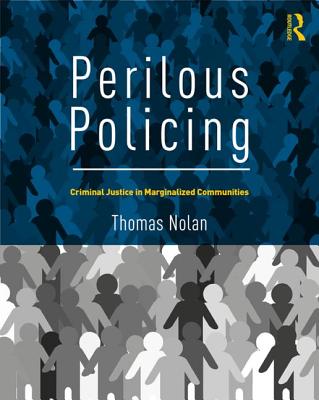
Perilous Policing: Criminal Justice in Marginalized Communities
Rent this book
Free return shipping includedPlease Note: Rental books are typically used and do not come with any unused access code cards.
Buy from a seller
About this book
Policing and police practices have changed dramatically since the 9/11 terrorist attacks and those changes have accelerated since the summer of 2014 and the death of Michael Brown at the hands of then-police officer Darren Wilson in Ferguson, Missouri. Since the November 2016 election of Donald Trump as president, many law enforcement practitioners, policy makers, and those concerned with issues of social justice have had concerns that there would be seismic shifts in policing priorities and practices at the federal, state, county, and local and tribal levels that will have significant implications for constitutional rights and civil liberties protections, particularly for people of color. Perilous Policing: Criminal Justice in Marginalized Communities provides a much-needed interrogatory to law enforcement practices and policies as they continue to evolve during this era of uncertainty and anxiety. Key topics include the police and marginalized populations, the use of technology to surveil individuals and groups, the emergence of the Black Lives Matter movement and the erosion of the police narrative, the use of force (particularly deadly force) against people of color, the role of the police in immigration enforcement, the "war on cops," and police militarization.
Thomas Nolan's critique of current practice and his preliminary conclusions as to how to navigate contemporary policing away from the pitfalls of discredited and counterproductive practices will be of interest to advanced undergraduates and graduate students in Policing, Criminology, Justice Studies, and Criminal Justice programs, as well as to researchers, law enforcement professionals, and police policy makers.