
Home / Search / The Impact of Obesity and Nutrition on Chronic Liver Diseases, an Issue of Clinics in Liver Disease: Volume 18-1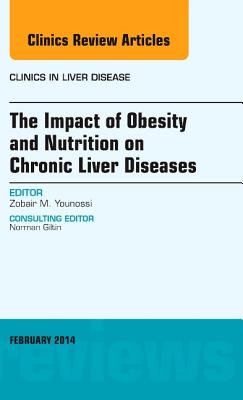
ISBN-13 · 9780323266642ISBN-10 · 0323266649Publisher · ElsevierFormat · HardcoverPublished · 2013Language · English
The Impact of Obesity and Nutrition on Chronic Liver Diseases, an Issue of Clinics in Liver Disease: Volume 18-1
Rent this book
Free return shipping includedTotal rental price$55.33
Please Note: Rental books are typically used and do not come with any unused access code cards.
Return by 2026-10-26. Prepaid return label included; extend at any point for the difference in price.
Buy from a seller
Bookface-OutletShips from CA
GoodTypical used book with minor wear and signs of use. May have some highlighting or writing.
108.90
About this book
Internationally renowned experts present topics related to obesity, nutrition, and liver disease in this issue. In the first article, the epidemiology of obesity and its association with liver disease are covered. The following two articles focus on the roles that visceral adipose tissue and microbiota potentially play in the pathogenesis of obesity-related liver disease. The next article focuses on the hepatic pathology seen in patients with obesity-related liver disease and those with malnutrition. The next five articles are focused on NAFLD and provide in-depth data on the natural history and treatment strategies for patients with NAFLD. The next six articles deal with the impact of obesity on other liver diseases and on special populations including children and liver-transplant recipients. The final article provides the most updated information regarding genomics and genetic targets that may provide better prognostic and diagnostic biomarkers and more personalized treatment targets for patients with NAFLD. Cutting-edge information in this issue will help readers gain better understanding of the natural history and pathogenesis of primary and secondary liver diseases associated with obesity. As the information about obesity-related liver disease expands, clinicians will be able to provide more targeted therapeutic options for these patients and develop more accurate diagnostic and prognostic biomarkers.