
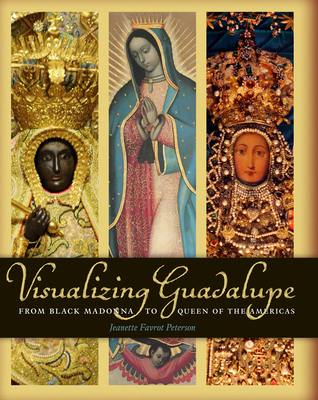
Visualizing Guadalupe: From Black Madonna to Queen of the Americas
Rent this book
Free return shipping includedPlease Note: Rental books are typically used and do not come with any unused access code cards.
Buy from a seller
About this book
The Virgin of Guadalupe is famously migratory, traversing continents and crossing and recrossing oceans. Guadalupe's earliest cult originated in medieval Iberia, where Our Lady of Guadalupe from Extremadura, Spain, played a significant role in the reconquista and garnered royal backing. The Spanish Guadalupe accompanied the conquistadors as part of the spiritual arsenal used to Christianize the Americas, where new images of the Virgin acted as catalysts to implant her devotion within multiethnic constituencies.
This masterful study by Jeanette Favrot Peterson traces the transmission of Guadalupe as la Virgen de ida y vuelta from Spain to the Americas and back again, analyzing how the Spanish and Mexican titular images, and a selection of the copies they inspired, operated within the overlapping spheres of religion and politics. Peterson explores two central paradoxes: that only through a material object can a divine and invisible presence be authenticated and that Guadalupe's images were made to work for enacting revolutionary change while preserving the colonial status quo. She examines the artists who created images of Guadalupe, their patrons, and the diverse viewing audiences for whom those images were intended. This exegesis reveals that visual evidence functioned on a par with written texts (treatises, chronicles, and sermons of ecclesiastical officialdom) in measuring popular beliefs and political strategies.