
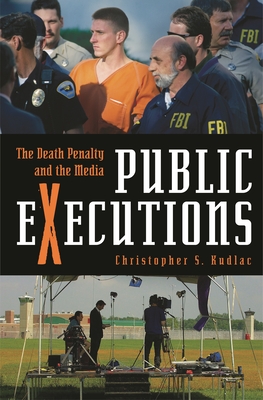
Public Executions: The Death Penalty and the Media
Rent this book
Free return shipping includedPlease Note: Rental books are typically used and do not come with any unused access code cards.
Buy from a seller
About this book
The death penalty is one of the country's most controversial issues. The fairness of its application is debated in coffeehouses, classrooms, political arenas, and the media. However, despite its representation in the media, most death cases receive surprisingly little national media attention. In fact, of the 1000 people executed in the United States since 1977, and the 3,500 inmates currently awaiting execution, only a handful of cases can be recalled by the public. Those that are memorable are so because only a few are dramatically represented in the media. Why is it that those that receive the most serious penalty are virtually nameless, while the death penalty in general is one of the most discussed aspects of the criminal justice system? What makes some executions more newsworthy than others? What are the implications of this coverage for the public's understanding of this significant issue?
This book looks at those death row cases that received the most intensive media coverage from the 1970s through the present, and why. At the same time, it focuses on changes in public opinion about the death penalty and how newspaper coverage and evolving mass sentiment relate to one another. Kudlac covers such celebrated cases as Karla Faye Tucker, Timothy McVeigh, Aileen Wuornos, John Wayne Gacy, and others that captured the attention of the American public and affected public opinion about the death penalty through the help of the media. He considers issues such as religion, politics, race, gender, and class as he reveals the reasons for our attention to certain cases above others. The book concludes with a consideration of where we go from here. With new investigative techniques that have helped to exonerate some death row inmates, and various other considerations that have come into play in recent cases, the future of the death penalty will continue to be shaped by the media and the public.