Home / Search / The Gang Paradox: Inequalities and Miracles on the U.S.-Mexico Border
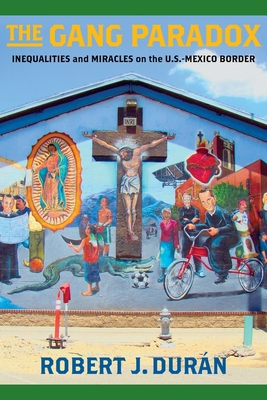
Cover of The Gang Paradox: Inequalities and Miracles on the U.S.-Mexico Border
ISBN-13 · 9780231181068ISBN-10 · 023118106XPublisher · Columbia University PressFormat · Hardcover, 320 pagesPublished · 2018Language · English

The Gang Paradox: Inequalities and Miracles on the U.S.-Mexico Border

Rent this book

Free return shipping included
Total rental price$39.51

Please Note: Rental books are typically used and do not come with any unused access code cards.

Return by 2026-10-26. Prepaid return label included; extend at any point for the difference in price.

Buy from a seller

Bookface-OutletShips from CA
GoodTypical used book with minor wear and signs of use. May have some highlighting or writing.
118.23

About this book

The areas along the U.S.-Mexico border are commonly portrayed as a hot spot for gang activity, drug trafficking, and violence. Yet when Robert J. Durán conducted almost a decade's worth of ethnographic research in border towns between El Paso, Texas, and southern New Mexico--a region notorious for gang activity, according to federal officials--he found significantly less gang membership and activity than common fearmongering claims would have us believe. Instead, he witnessed how the gang label was used to criminalize youth of Mexican descent--to justify the overrepresentation of Latinos in the justice system, the implementation of punitive practices in the school system, and the request for additional resources by law enforcement.

In The Gang Paradox, Durán analyzes the impact of deportation, incarceration, and racialized perceptions of criminality on Latino families and youth along the border. He draws on ethnography, archival research, official data sources, and interviews with practitioners and community members to present a compelling portrait of Latino residents' struggles amid deep structural disadvantages. Durán, himself a former gang member, offers keen insights into youth experience with schools, juvenile probation, and law enforcement. The Gang Paradox is a powerful community study that sheds new light on intertwined criminalization and racialization, with policy relevance toward issues of gangs, juvenile delinquency, and the lack of resources in border regions.