
Home / Search / The Record of Linji: A New Translation of the Linjilu in the Light of Ten Japanese Zen Commentaries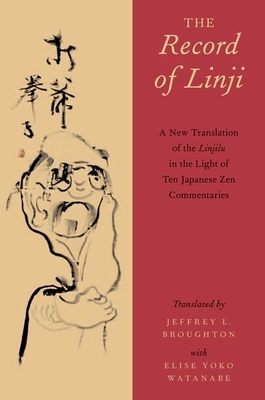
ISBN-13 · 9780199936434ISBN-10 · 0199936439Publisher · Oxford University Press (UK)Format · Trade Paperback, 336 pagesPublished · 2012Language · English
The Record of Linji: A New Translation of the Linjilu in the Light of Ten Japanese Zen Commentaries
Rent this book
Free return shipping includedTotal rental price$34.29
Please Note: Rental books are typically used and do not come with any unused access code cards.
Return by 2026-10-26. Prepaid return label included; extend at any point for the difference in price.
Buy from a seller
Bookface-OutletShips from CA
GoodTypical used book with minor wear and signs of use. May have some highlighting or writing.
76.86
About this book
The Linjilu (Record of Linji or LJL) is one of the foundational texts of Chan/Zen Buddhist literature, and an accomplished work of baihua (vernacular) literature. Its indelibly memorable title character, the Master Linji, is himself an embodiment of the very teachings he propounds to his students: he is a "true person," free of dithering; he exhibits the non-verbal, unconstrained spontaneity of the buddha-nature; he is always active, never passive; and he is aware that nothing is lacking at all, at any time, in his round of daily activities. Jeffrey L. Broughton's bracing new translation transmits the LJL's living expression of Zen's "personal realization of the meaning beyond words," as interpreted by ten commentaries produced by Japanese Zen monks, over a span of over four centuries, ranging from the late 1300's through the early 1700's. These Zen commentaries form a body of vital, in-house interpretive literature never before given full credit or center stage in previous translations of the LJL. Here, their insights are fully incorporated into the translation itself, allowing the reader unimpeded access throughout, with more extensive excerpts available in the notes. Also provided is a translation of the earliest extant material on Linji, including a neglected transmission-record entry relating to his associate Puhua, which indicate that the LJL is a fully-fledged work of literature that has undergone editorial changes over time to become the compelling work we know today.