Home / Search / Economic Crisis, Quality of Work, and Social Integration: The European Experience
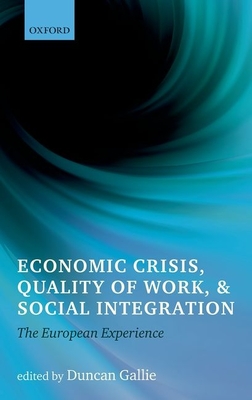
Cover of Economic Crisis, Quality of Work, and Social Integration: The European Experience
ISBN-13 · 9780199664719ISBN-10 · 0199664714Publisher · OUP UKFormat · Hardcover, 368 pagesPublished · 2013Language · English

Economic Crisis, Quality of Work, and Social Integration: The European Experience

Rent this book

Free return shipping included
Total rental price$26.00

Please Note: Rental books are typically used and do not come with any unused access code cards.

Return by 2026-10-26. Prepaid return label included; extend at any point for the difference in price.

Buy from a seller

Bookface-OutletShips from CA
GoodTypical used book with minor wear and signs of use. May have some highlighting or writing.
41.08

About this book

The quality of working life has been central to the sociological agenda for several decades, and has also been increasingly salient as a policy issue, and for companies. This book breaks new ground in the study of the quality of work by providing the first rigorous comparative assessment of the way it has been affected by the economic crisis. It examines the implications of the crisis on developments in skills and training, employees' control over their jobs, and the pressure of work and job security. It also assesses how changing experiences at work affect people's lives outside of work: the risks of work-life conflict, the motivation to work, personal well-being, and attitudes towards society.

The book draws on a rich new source of evidence--the European Social Survey-to provide a comparative view over the period 2004 to 2010. The survey provides evidence for countries across the different regions of Europe and allows for a detailed assessment of the view that institutional differences between European societies--in terms of styles of management, social partnership practices, and government policies--lead to very different levels of work quality and different experiences of the crisis. This comparative aspect will thus forward our understanding of how institutional differences between European societies affect work experiences and their implications for non-work life.