
Subhuman C
Rent this book
Free return shipping includedPlease Note: Rental books are typically used and do not come with any unused access code cards.
Buy from a seller
About this book
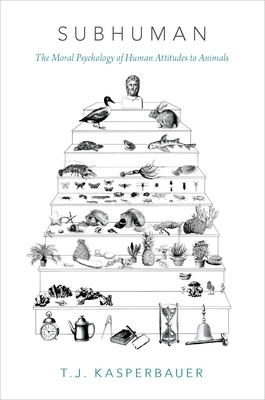
How do we decide what animals deserve and how we ought to treat them? To what extent are our attitudes towards animals embedded in our subconscious and immune to reason? The foundations of our moral attitudes to animals are more complex than many may appreciate. Subhuman takes an interdisciplinary approach to these questions, drawing from research in philosophy, neuroscience, psychology, law, history, sociology, economics, and anthropology, to unearth surprising revelations about human relationships with animals. T.J. Kasperbauer argues provocatively that behind our positive and negative attitudes to animals is an enduring concern that animals pose a threat to our humanness. Namely, our need to ensure animals' inferiority to human beings affects both our kindness and cruelty to animals. Kasperbauer develops this idea by looking at research on the phenomenon of dehumanization, revealing that our attitudes to other humans are predicted and reflected in our treatment of other species.
In making his case, Kasperbauer provides a critical survey of leading theories that range over the role of animals in human evolutionary history, the psychology of meat-eating and keeping pets, feelings of fear and disgust toward animals, the use of animal minds to determine their moral status, and the "expanding moral circle" hypothesis. By exploring the psychological obstacles humans face in meeting ethical demands, Kasperbauer sets forth new and fascinating ways of thinking about our moral obligations to animals, and how we might correct them.