
Home / Search / Rethinking Oral History and Tradition: An Indigenous Perspective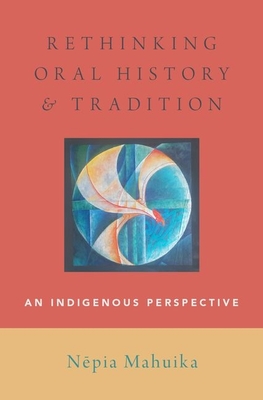
ISBN-13 · 9780190681685ISBN-10 · 0190681683Publisher · Oxford University PressFormat · Hardcover, 288 pagesPublished · 2019Language · English
Rethinking Oral History and Tradition: An Indigenous Perspective
Rent this book
Free return shipping includedTotal rental price$76.88
Please Note: Rental books are typically used and do not come with any unused access code cards.
Return by 2026-10-26. Prepaid return label included; extend at any point for the difference in price.
Buy from a seller
Bookface-OutletShips from CA
GoodTypical used book with minor wear and signs of use. May have some highlighting or writing.
151.27
About this book
Indigenous peoples have our own ways of defining oral history. For many, oral sources are shaped and disseminated in multiple forms that are more culturally textured than just standard interview recordings. For others, indigenous oral histories are not merely fanciful or puerile myths or
traditions, but are viable and valid historical accounts that are crucial to native identities and the relationships between individual and collective narratives. This book challenges popular definitions of oral history that have displaced and confined indigenous oral accounts as merely oral
tradition. It stands alongside other marginalized community voices that highlight the importance of feminist, Black, and gay oral history perspectives, and is the first text dedicated to a specific indigenous articulation of the field. Drawing on a Maori indigenous case study set in Aotearoa New
Zealand, this book advocates a rethinking of the discipline, encouraging a broader conception of the way we do oral history, how we might define its form, and how its politics might move beyond a subsuming democratization to include nuanced decolonial possibilities.
traditions, but are viable and valid historical accounts that are crucial to native identities and the relationships between individual and collective narratives. This book challenges popular definitions of oral history that have displaced and confined indigenous oral accounts as merely oral
tradition. It stands alongside other marginalized community voices that highlight the importance of feminist, Black, and gay oral history perspectives, and is the first text dedicated to a specific indigenous articulation of the field. Drawing on a Maori indigenous case study set in Aotearoa New
Zealand, this book advocates a rethinking of the discipline, encouraging a broader conception of the way we do oral history, how we might define its form, and how its politics might move beyond a subsuming democratization to include nuanced decolonial possibilities.